20th May 2026
Wellbeing for forensic science practitioners
Read more


Modern apprenticeships are a way for people of any age to do a job and work towards a qualification while being paid a salary.
The Digital Forensics Level 4 Apprenticeship has been developed to provide a way into a career in digital forensics. It is a tailored course of training that will give new employees the skills needed to support the ever-growing requirement for digital forensics expertise.
Apprenticeships are offered and advertised by employers in the same way as other jobs.
The apprenticeship standard will be published on the Skills England website.
The first cohort started in July 2024 and the second in October 2024. This page will include updates on the progress of the first apprentices and information for forces interested in recruiting apprentices for future cohorts.
Apprenticeships are a great way to bring new talent into your organisation or to develop the abilities of existing staff. The DF apprenticeship has been developed with a group of employers (including police forces, forensic service providers and professional bodies) to encourage more people to consider a career in DF. You will be responsible for paying your apprentices and supporting them. Their training will be paid for from your Apprenticeship Levy – there are other options if your organisation doesn’t pay the Levy or you've used all of your Levy funds.
WHO IS THE APPRENTICESHIP FOR?
It is available for students aged 18yrs and above but can also be used to upskill or retain employees of any age, as long as the apprenticeship is giving them new skills to enable them to achieve competence in their chosen occupation
WHAT WILL THE TRAINING CONSIST OF?
It will comprise of a blended learning programme of online learning events combined with face-to face blocks of learning, which will equate to 20% of the apprentice’s time overall. Due to the expected low numbers of apprenticeships per organisation, it is proposed to work within geographical regions to ensure suitable cohort sizes for L&D partners.
WHAT SUPPORT DOES THE APPRENTICE NEED?
Employers must provide ongoing support, pastoral care and mentoring for the apprentice. Good management of apprentices is vital to ensure they adapt to the workplace and continue to grow with the business. The FCN have completed a guide to mentoring apprentices to support forces.
WHO CREATED THE STANDARD?
The apprenticeship was developed by a Trailblazer Group (TB) made up of employers that represent the occupation and intend to employ apprentices in it. The DF Trailblazer Group consisted of police forces, forensic servicer providers, private sector organisations, professional bodies, and it was led by the FCN
HOW MUCH DOES A DF APPRENTICE EARN?
This is for the organisation to set. However, they are entitled to the National Minimum Wage for their age group.
IS IT APPROPRIATE FOR YOUNG PEOPLE TO WORK WITHIN DIGITAL FORENSICS UNITS?
The TB Group considered the impact of viewing traumatic material on brain development and worked with the National Police Wellbeing Service to explore this. An evidenced based paper outlined that it was appropriate, however, a number of recommendations were made to protect those working with such material.
WHAT IF I AM AN EMPLOYER WHO DOES NOT PAY THE LEVY?
You can still choose to utilise the apprenticeship. You will have to make a 5% contribution to the cost of this training and government will pay the rest (95%). You will pay this directly to the provider
CAN I CHANGE THE CONTENT OF THE APPRENTICESHIP TO MEET OUR ORGANISATIONAL NEEDS?
No, the Knowledge, Skills and Behaviours of the apprenticeship standard are set and all will be covered as part of the L&D. The order and format of delivery depends on the approach of learning partner.
BENEFITS
• Support for training costs
• Grow your own talent
• Better representation
• Better retention
The apprenticeship has been developed to help people like you to start a career in digital forensics. Apprenticeships are open to anyone over the age of 18 and there is no upper limit. You will spend approximately 20% of your time engaged in learning activities. During your apprenticeship you will be a full employee of the organisation you work for.
WHAT ARE APPRENTICESHIPS?
An Apprenticeship is a real job, with hands-on experience, a salary and the chance to train and gain qualifications while you work. An Apprentice will:
• Work alongside experienced staff.
• Gain job-specific skills.
• Earn a wage and get holiday pay.
• Be given time for study related to their role (the equivalent of one day a week)
WHAT IS DIGITAL FORENSICS?
Digital forensic science is a branch of forensic science that focuses on the recovery and investigation of material found on digital devices. Digital forensics is the process of identifying, preserving, analysing, and documenting digital evidence.
WHAT IS THE LEVEL 4 DIGITAL FORENSIC TECHNICIAN APPRENTICESHIP?
This apprenticeship is a recently developed apprenticeship standard based on the national Digital Forensic Technician Professional Profile. The standard was completed in March 2023 and can be viewed on the Skills England website (Digital forensic technician / Skills England). Employers will range from law enforcement organisations, private forensic service providers and a wide range of public and private sectors organisations with digital forensic teams. The apprenticeship lasts between 24-27 months. There are three elements to this apprenticeship;
Training - Gateway (Occupational competence reached) - End Point Assessment
WHO CAN DO THE APPRENTICESHIP?
Anybody can do the apprenticeship, if they are 18 or over, living in England, not in full-time education, and the apprenticeship is giving them new skills to achieve competence in the role.
WHAT WILL THE TRAINING CONSIST OF?
It will comprise of a blended learning programme of online learning events combined with face-to-face blocks of learning at a training centre, which will equate to 20% of the apprentices’ time overall. During your apprenticeship you will: • Become competent in the extraction of data from mobile phones, computers and other digital devices using industry standard technology • Undertake acquisition and processing of digital evidence for use as forensic evidence • Build your knowledge and practice in validated forensic standards in a professional environment • Work alongside digital forensic practitioners in the workplace and learn from expert trainers and academics.
Employers will provide ongoing support and mentoring for the apprentice, and ensure they have sufficient time allocated to undertake their training. The apprentice will produce a portfolio evidencing how they have met the standards of the apprenticeship.
HOW IS THE APPRENTICESHIP ASSESSED?
Following apprentice portfolio sign off, the candidate is put forward for their End Point Assessment. For this assessment, the apprentice will then be observed undertaking their duties in the workplace and will be asked a number of questions around their portfolio
WHAT ARE THE ENTRY REQUIREMENTS?
Individual employers will identify entry requirements. Normally you will have Level 2 Maths and English at the start of your apprenticeship, if not you must achieve it before you complete your apprenticeship. Employers will want applicants to demonstrate they have an interest in digital forensics and show an aptitude for IT skills.
HOW DO I APPLY FOR THE APPRENTICESHIP?
There are a number of routes where apprenticeship vacancies can be found;
• On individual employers websites, search Digital Forensic Technician Apprenticeship .
• Find an Apprenticeship government website Once an apprenticeship opportunity is identified follow the application guidelines on the employers website. For further information see GOV.UK - Become an apprentice
HOW MUCH DOES A DF APPRENTICE EARN?
Employing organisations will set the salary for the role and therefore there is no national salary. However, apprentices are entitled to the National Minimum Wage for their age group.
WHAT IS MY POTENTIAL CAREER PATHWAY IN THE DIGITAL FORENSICS OCCUPATION?
Career pathways vary across employing organisations. In policing there are a number of nationally agreed roles and a career pathway. Progression in these roles would be based on role availability and suitability of skills and is not automatic. Even within police forces the roles can differ. The Level 7 Advanced Digital Forensic Apprenticeship is currently under development, and following work experience, could be a progression route.
COULD I BE EXPOSED TO DISTRESSING MATERIAL IN MY ROLE?
Whilst working in some organisations, and policing in particular, it is possible that the apprentice will encounter media representing scenes which are upsetting or distasteful. Whilst appropriate support will be given to staff, applicants should be aware that exposure to such material is likely and should consider this when deciding whether or not to apply. The apprentice will play a vital role in protecting vulnerable people and identifying evidential opportunities.
BENEFITS
• Paid while you learn
• Gain experience and job ready
• Gain professional accreditation
• Long-term career
• Networking and support
Apprentices are recruited directly by the police force or organisation. The FCN are not involved in the recruitment process.
The standard can be accessed here Digital forensic technician (level 4) - apprenticeship training course
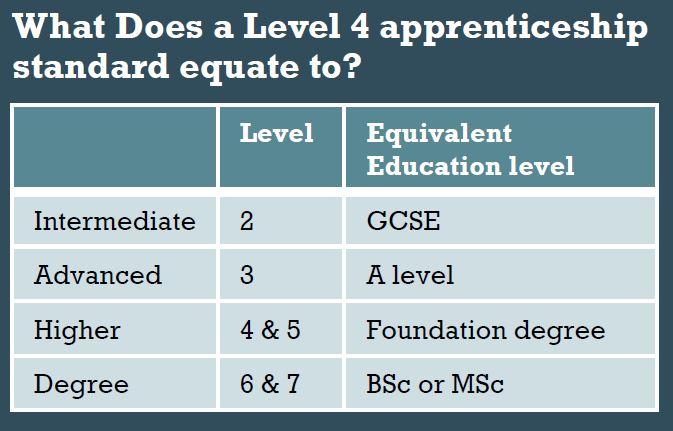
What does Level 4 mean?
Apprenticeships come in various levels. The Digital Forensic Apprenticeship is a Level 4.

What is digital forensics?
Digital forensic science is a branch of forensic science that focuses on the recovery and investigation of material found in digital devices. Digital forensics is the process of identifying, preserving, analysing, and documenting digital evidence.
What if my organisation has used all its Apprenticeship Levy?
If you’ve used all of your Levy you can still take on apprenticeships. The govt will pay 95% of the training costs and you will need to meet the remaining 5%.
What if your organisation does pay the apprenticeship levy?
Find out how to pay the apprenticeship levy.
Use your apprenticeships service account to manage funding and provider payments.
You cannot use funds from your apprenticeship service account to pay for a flexi-job apprenticeship agency’s services.
Employing an apprentice: Get funding for apprenticeship training - GOV.UK
What if my organisation doesn’t pay the Levy?
You can get money to go towards the cost of training and assessment. The amount you get depends on whether you pay the apprenticeship levy or not.
Find out if you need to pay the apprenticeship levy.
You pay 5% towards the cost of training and assessing your apprentice. You need to:
The government will pay the rest (95%) up to the funding band maximum. They’ll pay it directly to the training provider.
If your apprentice started before 1 April 2019, you contribute 10% towards the cost of training and assessing your apprentice and the government pays the rest (90%). This rate continues until your apprentice completes their training.
Use your apprenticeships service account to manage funding and provider payments.
The cost of training and assessing your apprentice could be fully funded, up to the funding band maximum, depending on both your and your apprentice’s circumstances. Check the funding rules to see if you’re eligible.
www.gov.uk
Can we change the content of the DF apprenticeship?
No. The content of an apprenticeship is set in advance and has to be adhered to. The order and format of the training will depend on the training provider.
Who delivers the training?
There is a list of Government approved providers here. Because there will be relatively low numbers of DF apprentices we anticipate training being provided on a regional basis.
Is it appropriate for young people to work within digital forensics units?
The TB Group considered the impact of viewing traumatic material on brain development and worked with the National Police Wellbeing Service to explore this. An evidenced based paper outlined that it was appropriate, however, a number of recommendations were made to protect those working with such material. The full paper can be accessed here.
The first cohort of Level 4 Digital Forensic Technician apprentices started their journey in July 2024. The forensic community had spent significant time and resources creating this new apprenticeship in order to widen the access routes into digital forensics and to improve retention.
Our Workforce Strategy Lead met with nine of the apprentices at the Metropolitan Police Service to find out more about their journey so far. Click on the link to see details.
For any forces or organisations interested in the Level 4 Digital Forensic Technician apprenticeship please contact joanne.morrissey@dorset.pnn.police.uk.
20th May 2026
13th June 2025
3rd April 2025
3rd April 2025