No part of the forensic landscape is as fast-moving as digital. We’re working with the community to ensure policing has the digital skills and tools to keep pace with change and ensure justice is served.

The FCN supports delivery of future developments, compliance requirements and response to challenges – on behalf of the NPCC, and working with police forces and the Home Office.

Computer GTD

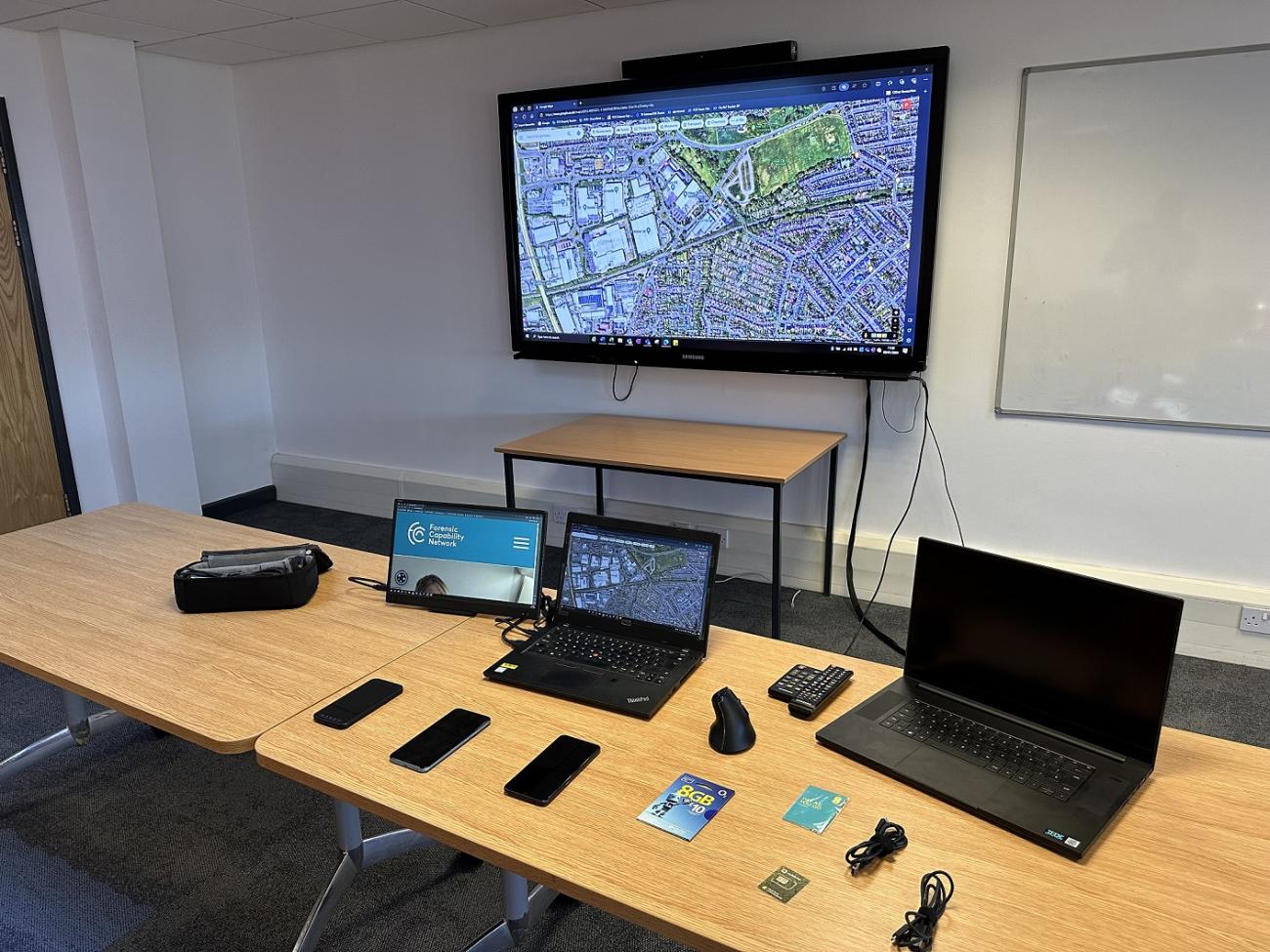
We provide ground truth data (GTD) for digital devices to help police forces comply with the regulatory Code, producing around £520,000 in efficiency savings every year.

Cell site analysis exercises

We run collaborative learning exercises (CLEs) for cell-site analysis for geolocation to help police forces and private-sector providers prove their competency and improve their processes. 

Performance framework

The FCN has developed a DF performance framework with data from 42 police organisations, giving a greater understanding of performance and risk within DF.

Research

We lead on various areas of research in DF, such as uses of AI and natural language processing to support investigations, and exploring the risks of deepfakes to criminal justice.

Our team

to get advice or request support, contact our digital forensic experts.

Simon Cullen

Lead Scientist - Digital Forensics

What is your main area of expertise?

I have been working in digital forensics and forensic service management since 2010, following a career in e-commerce and business management systems. Over the years, I have held various roles within policing and also served as the digital forensics technical lead at the United Kingdom Accreditation Service. My expertise spans digital forensics, forensic science regulation (FSR) compliance, ISO/IEC 17025 and 17020 accreditation, performance management, and business process optimisation.


How do you help the FCN’s stakeholders in policing and beyond?

In my role, I provide specialist expertise and dedicated resources to help policing and government departments address challenges and harness opportunities in digital forensics. Whether it’s improving forensic capabilities through the implementation of new technologies, ensuring compliance with regulatory standards, or enhancing efficiency.


Which piece of work delivered in the FCN are you proudest of?

The piece of work that has the potential to have the biggest impact is the development of a national performance framework for digital forensics. Hopefully this initiative helps drive continuous improvements across police forces and improving the service to victims and investigators.


What is your favourite part of your role?

What I enjoy most about my role is having dedicated time to focus on complex, strategic changes for policing, which would be difficult to tackle in a busy operational Digital Forensics Unit. This allows me to contribute to long-term advancements that benefit both practitioners and the wider criminal justice system.


What was your first job in policing or forensics?

In 2010, I started as a mobile device examiner in Sussex Police. It was a highly rewarding and interesting introduction to the field, setting the foundation for my career in digital forensics.

Read more

Lois Arthurs

Forensic Officer - Digital Forensics

What is your main area of expertise?

I hold a BA (Hons) in Forensic Science and have 15 years of experience within a Police Digital Forensic Unit.  Eight years were spent within a Senior Management role for Digital Forensics which allowed me the opportunity to lead the department through significant transformations; to enhance efficiency, quality, and service delivery.


How do you help the FCN's stakeholders in policing and beyond?

I’m always happy to assist with any digital forensic queries. My key areas of expertise include operating models, performance optimisation, workflow improvements, CSAM investigations, and digital forensic strategies.


What is your favourite part of your role?

What drives me every day is the commitment to doing the right thing for the right reason and making a real difference. I feel privileged to be in a role that supports the advancement of forensic capabilities across police forces nationally. Working in the ever-evolving field of digital forensics presents constant challenges and opportunities for growth, allowing me to continuously learn, adapt, and develop both personally and professionally.


What was your first job in policing or forensics?

In 2009, I started as a ‘Computer Crime Investigator’, examining computers and producing evidential statements for Dyfed-Powys Police. It was a highly rewarding and interesting introduction to the field, setting the foundation for my career in digital forensics.

I’ve enjoyed every aspect of digital forensics, from hands-on investigative work to understanding emerging technologies and enhancing forensic capabilities. More recently, I’ve found great satisfaction in project management, process development, and implementing change to improve key deliverables. The fast-paced nature of this field keeps me engaged, ensuring there’s always something new to tackle.

Read more

Paul Fenwick

Scientific Officer (Digital)

What is your main area of expertise?

Digital Forensics


How do you help the FCN’s stakeholders in policing and beyond?

I can assist with all aspects of Digital Forensics, including validation, generation of ground truth data, collaborative learning exercises.


Which piece of work delivered in the FCN are you proudest of?

I’m proud of all the work delivered, and struggle to identify a single piece of work. I have enjoyed generating standardised ground truth data, and digital forensics validation templates. Working with the Cell Site Analysis community for Geolocation and developing a national collaborative learning exercise. 


What is your favourite part of your role?

As a Scientific Officer I enjoy working with and supporting the growing digital forensics community. 


What was your first job in policing or forensics?

In 2001 I joined Staffordshire Police as an assistance digital forensics examiner within the economic crime unit to recover digital evidence and providing support to financial investigators. The digital evidence capability within the economic crime unit evolved into a dedicated digital forensic service provision. 

Read more

Shelley Wilson

Research & Innovation Lead

What is your main area of expertise?

BA (Hons) Photography in Europe

With a BA (Hons) in Photography in Europe, I worked for 20 years with the Forensics Team in Hampshire Police, originally as a practitioner and manager with the Photographic team that then evolved into the Imaging Unit. In recent years my team became part of the accredited Digital Forensic team in the Forensic Innovation Centre working in partnership with Portsmouth University.

I have technical knowledge in imaging and audio-visual services and with broader management experience across other forensic disciplines including formal qualifications in change management and as an interpersonal mediator.


How do you help the FCN's stakeholders in policing and beyond?

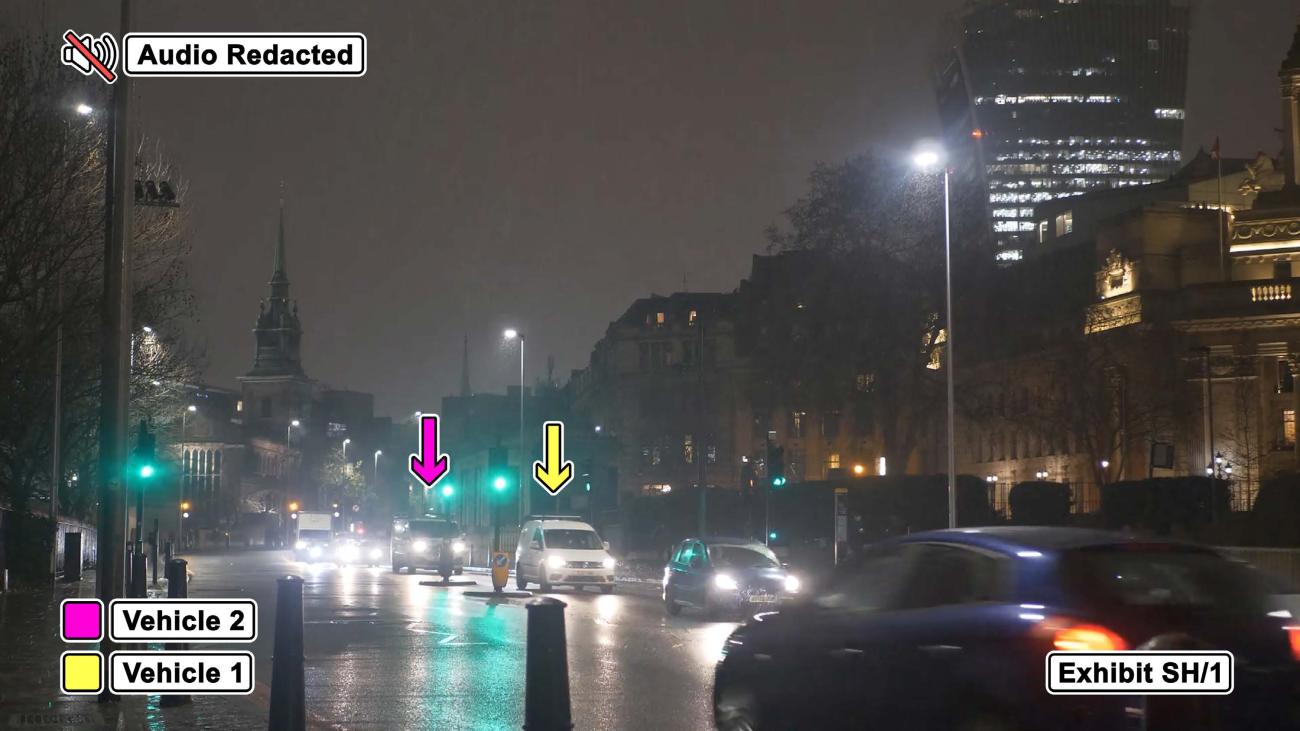
I’m passionate about digital forensics particularly all aspects of forensic imaging/audio visual with experience working with CCTV, audio and 2D/3D imagery including laser scanning, visual comparison, body mapping and enhancement techniques.  


What is your favourite part of your role?

I’m inspired that this role provides me with a unique opportunity to support forensics nationally working closely with the wealth of experience and knowledge we have across forensics in UK policing and within the FCN.


What was your first job in policing or forensics?

In 1998 I worked within a temporary role with Nottingham Police Major Crime Team doing audio transcribing while working in freelance photography, before securing a Photographic Technician Role with Hampshire Police in 2000 (it was a 6-month maternity cover and I never left!)

I have loved every aspect of my journey through forensics.  I have been lucky enough to live through the transition from analogue to digital and can now only think back fondly to cases that only included VHS tapes and 35mm films to examine.  This is nothing compared to the exciting digital challenges we face today!

Read more