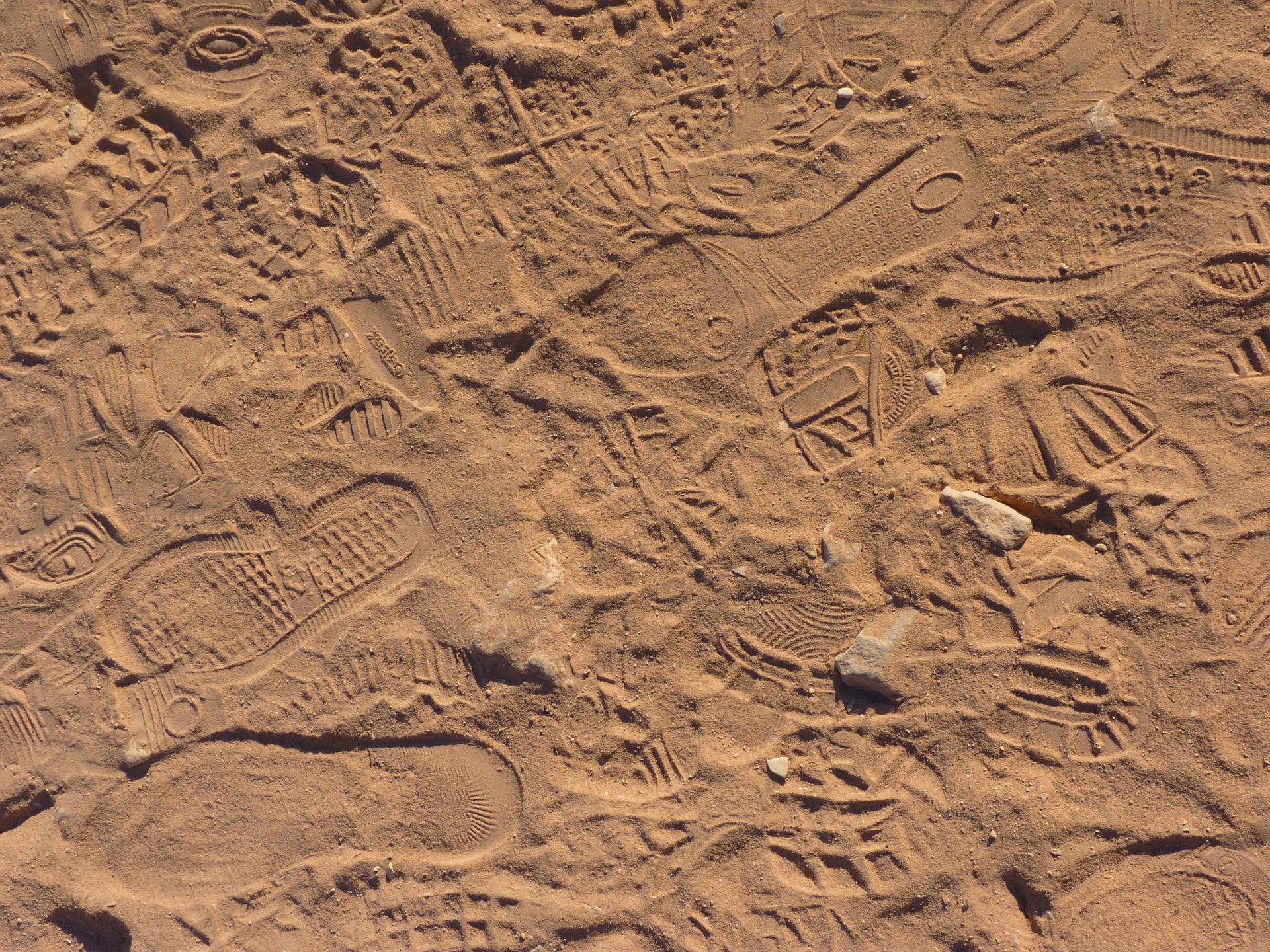
- Footwear: The evaluation and comparison of impressions, both 2 dimensional and 3 dimensional, made by the soles of apparel worn on the feet.
- Tool Marks: Tool mark comparison is the examination and analysis of a specific tool or item against an impression(s) made on a softer surface.
- Fingerprints: The Analysis, Comparison, Evaluation and Verification of the friction ridge detail on the fingers and palms of the hands.
- Plantar Examination: The Analysis, Comparison, Evaluations and Verification of the ridge detail on the toes and soles of the feet.
- Documents: Documents that are examined by various techniques to provide evidence for example, handwriting analysis, or examination of documents to assess if counterfeit or if there have been any alterations.
- Chemical Enhancement: The use of chemical reagents to visualise and enhance friction ride detail on various substrates.
- Hand Writing Analysis: The comparison between a known source example and an unknown source example of writing to determine if they were written by the same person.
- Other Marks: This can include bite marks, tyre impressions
- Blood Pattern Analysis: A grouping or distribution of bloodstains that indicates through regular or repetitive form, order, or arrangement the way the pattern was deposited.
- Hair: The examination of different microscopic characteristics of hair such as shape, colour, and root appearance.
- Human Biological Material: The examination and analysis of human material for composition, comparison or characteristics.
- DNA: The examination and analysis of DNA (deoxyribonucleic acid is a long molecule that contains our unique genetic code) utilising the different techniques available.
- Non-Human Biological Material: This is the examination and analysis of non-human material for composition, comparison or characteristics.
- The detection, identification and analysis of a substance other than food intended to affect the structure or function of the body.
- The study of the effects of drugs and chemicals on biological systems. Forensic toxicology involves the application of toxicology for the purposes of the law, or in a medicolegal context.
- Glass: The examination and analysis of the physical and chemical properties of glass to determine the physical glass characteristics and if a known sample and an unknown sample are from the same source.
- Paint: The examination and analysis of the physical and chemical properties of paint to determine if a known sample and an unknown sample are from the same source.
- Fibres: The examination and comparison of material that can be natural or synthetic; animal, vegetable, or mineral in origin.
- Chemical Analysis: The analysis of unknown non-biological trace evidence to provide the qualitative and quantitative identification and match in various forensic science disciplines through various techniques.
- Explosives: The collection, analysis and comparison of small particles associated with explosives and explosive devices pre and post detonation.
- Discharge Residues: The collection, analysis and comparison of small particles produced during the discharge of a firearm.
- Biometrics:
- DNA: The process of identifying or verifying an identification of a person (victim, witness or suspect taken in custody) or scene by comparing and analysing DNA.
- Fingerprints: The process of identifying or verifying an identification of a person or scene by comparing and analysing fingerprint marks left at a scene or from a person (victim, witness or suspect taken in custody).
- Facial Recognition: The process of identifying or verifying an identification of a person by comparing and analysing patterns, shapes and proportions of their facial features and contours. It should be noted that there is a direct cross over with DF.
- Voice recognition/Analysis: The comparison of recordings of an unknown voice (questioned recording) with one or more recordings of a known voice. It should be noted that there is a direct cross over with DF.
- Forensic Gait Analysis: The anatomical and biomechanical analysis of the gait (walking and body movement of individuals) normally compared with CCTV in criminal cases. It should be noted that there is a direct cross over with DF.
- The process of analysis and classification and comparison of ballistic evidence and component part,
- The process of analysis and classification and comparison of projectiles and component parts and
- The forensic analysis classification of a Conducted Energy Devices (CED). This can include checks that the device is operating to the manufacture’s specification post-use.
Investigation of all fatal and serious road collisions and undertake forensic science activity e.g. scene recording, speed estimation vehicle system analysis. A capability that is routed in physics, mathematics and engineering that Investigates and analyses the science of a vehicle collisions. Several the tools used in Forensic Collision Investigation encompass both conventional forensic tools and those commonly associated with engineering.
The examination, analysis and interpretation of information, retrieval of personal samples and other trace evidence from an individual for forensic purposes, the collection of clothing from the individual and recording the presence or absence of injuries.
- Forensic Pathology: Forensic pathology is a service provided to the coroners and police forces in England and Wales to assist in the investigation of homicide or suspicious death cases. Home Office-registered forensic pathologists work within regional group practices, which are independent of the police, coroners and the Home Office.
- Forensic Medicine: Forensic Medicine is a branch of medicine dealing with the application of medical knowledge to establish facts in civil or criminal cases.
Providing the policing community with the use of experts in less frequently used capabilities, such as:
- Forensic Odontology: The study of teeth and bite marks. May be used to assist in the identification of an individual, either for victim identification purposes or suspect identification purposes.
- Forensic Entomology: The analysis and study of arthropods such as flies and beetles to assist investigations.
- Forensic Archaeology: Forensic archaeology is the application of excavation and archaeological skills to forensic contexts. They aid with locating bodies, understanding the relationship between the grave and other buried features.
- Forensic Anthropology: The analysis and study of skeletal remains.
- Forensic Palynology: A branch of botany that deals with the study of pollen and spores that may be used to link individuals or objects to a location.
Investigate scenes of suspicious or fatal fires and includes the recovery of items from fire scenes for further analysis and examination to determine the cause of the fire. Can include partnerships with the Fire and Rescue Service.
Where pieces of an object are placed back together to identify any missing pieces or give information about how it was broken. For example, a broken window pane.
Access to any specialists that are not medical services.